

5 Things I Learned About Investing From Reading Ray Dalio's Book "Principles"
What if some of the most valuable investing lessons come from the times you get it completely WRONG? Ray Dalio is the founder of Bridgewater, one of the most successful investment firms in the world.
This week on Women, Wealth, & What's Next I'm sharing the 5 things I learned about investing from reading his book Principles, and how his views on macroeconomics, mistakes, and living by your principles have changed the way I invest, manage my money, and lead, so you can put the same ideas to work in your own wealth.
So, as always, let's pull this book apart!
5 Things I Learned About Investing From Reading Principles by Ray Dalio - Episode 11
A Hedge Fund Founder With A Passion For Leaving A Legacy Behind
Ray started Bridgewater Associates in his apartment in 1975. I picked up his memoir because I love learning from people who have been very successful in my industry. Continuing education is a legal requirement for keeping my license, but I go way beyond it because I love to study, read books, and learn from the greats.
When you see someone at that level of success, you usually see the results. You don't see the mistakes, the uncomfortable conversations, or the experiences that changed how they approached their work. What I appreciated about Principles is that Ray lets you see how he developed his decision-making process, including the times he was wrong, overly confident, and learned that his own conviction wasn't enough to make something true.
5 Things I Learned About Investing From Reading "Principles"
So without further ado, here are the five things that stood out to me, and how you can apply them to your money, your business, and your leadership:
Tip #1: Check The Weather Before You Pick The Outfit
"You could have the most fabulous designer dress in your closet, but if there's a hurricane outside, you might want to rethink those stilettos."
Dalio has a fundamentals-focused investment strategy. Fundamental analysis is a method of evaluating a company's financial health, profits, debt, and potential for future growth to figure out what its stock is really worth. Think of shopping for a designer handbag: you look beyond the pretty marketing campaign and examine the leather, stitching, and craftsmanship.
What fascinated me was seeing how he thinks about macroeconomics, the study of how the whole economy works. Before this book I knew very little about it, and I didn't feel I needed to understand the whole economy to be a successful investor. But Principles opened my eyes to how useful it is to understand economies and the history of financial markets when you're forming expectations about future price behavior.
It was my gateway into learning more, and I've since read several more of his books. Now I look at what I want to buy while also considering what's happening around it: inflation, interest rates, employment, and economic growth. That doesn't mean I can predict everything, but understanding the bigger patterns helps me make better decisions.
Tip #2: Pain + Reflection = Progress
"What operating basis got me into this mess?"
This is a principle I've lived by for a very long time. Life is meant to be lived, and avoiding pain is a poor goal. If you want to create things, contribute, and have an impact on the world, you will inevitably make mistakes and run into situations you don't know how to handle.
What I loved was how deliberately Ray tried to turn painful experiences into reflection. When the numbers are down or something isn't going the way I want, I try not to blame others. I ask myself: Is this a principle I already have and need to implement better? Have I stopped applying something I know works? Am I living by the values I say I believe in? Or do I need to develop a new rule or policy that helps me detect and prevent this problem in the future?
Reflection helps me release the charge around an experience so I can walk away with the knowledge instead of carrying the upset.
Tip #3: Be Honest About Where You Got It Wrong
"If I want the people around me to identify problems, take responsibility, and learn, then I need to be willing to do those things myself."
It is powerful to hear successful people be vulnerable about where they messed up. Ray describes being wrong about some pretty big things and having to backpedal. He could have told a polished version where every decision sounds wise and every setback looks inevitable, and I respect that he didn't.
That honesty matters for anyone who is just beginning to put their money to work and for anyone building a business, because you get to see the experiences behind the principles instead of just being handed a list of rules.
As a leader, it also made me think about the example I want to set when something goes wrong. Did I communicate clearly? Did I make an assumption? Was the policy inadequate? Did I fail to apply a principle I already knew? It's painful to fail publicly, even if it's only in front of your spouse or your team, but it's also a chance to show the principles you're trying to teach in action.
Tip #4: Surround Yourself With Smart, Respectful Disagreement
"Successful investors don't fall in love with their own opinions."
Dalio champions what he calls an idea meritocracy, a system where the best ideas win regardless of who suggests them, how much money they have, or how powerful their position is. Instead of making decisions based on popularity, authority, or ego, it values evidence, thoughtful debate, and the opinions of people with proven knowledge and experience.
This matters so much for investors, because the moment you have extra money, everyone has an opinion. The best investors challenge their assumptions, welcome opposing perspectives, and let facts guide their financial decisions.
My brother-in-law is one of my favorite examples. He has a degree in philosophy, developed his own app, and travels the world in his van living on its income. We debate philosophy, religion, and politics at family get-togethers, and he challenges me to ask why I believe what I believe. Sometimes I've changed my mind, and sometimes my original thinking held up. He isn't attached to changing my mind, so we can explore a question without making it personal.
It's so easy to live in an echo chamber, like a group chat where everybody loves the same outfits, follows the same accounts, and agrees with every suggestion. Social media algorithms are built to show you people who agree with you, because that keeps you on the platform longer. Since reading this book, I've been more deliberate about looking beyond that, from my hiring process to the guests I invite onto my podcast.
Tip #5: Live A Principle-Based Life
"What do you stand for?"
We live in an age where values like honor, duty, and being a woman of character can seem old-fashioned, and where "YOLO" gets celebrated more than being honest, compassionate, or neighborly. You can see it in the values of big corporations that brag about profit and revenue growth and care little about delivering a great result to their customers.
You can see it in the 1919 case Dodge v. Ford Motor Co., when Henry Ford wanted to reinvest profits into making better cars, lowering prices, and paying more workers. The Michigan Supreme Court ruled that a business operates primarily for the benefit of its shareholders, and forced him to pay out those profits as dividends. That case captures a tension that matters a lot to me: how do we weigh making money against our responsibility to the people affected by how we make it?
I'm not against dividends. They're a big part of my investment strategy! But I love being a woman of principle more. I believe in honor, duty, courage, and taking radical responsibility for our neighbors. I believe in people over profits.
That has to show up in how I treat someone who trusts me, in whether I keep my word when it becomes inconvenient, and in whether I take responsibility when it costs me something. Making money matters to me, and so does being able to respect how I made it.
So here's what I want to leave you with: what do you stand for? And when standing for it costs you money, comfort, approval, or an opportunity, will you still live by it?
FREE GUIDE: The Art of War — Timeless Strategies for Success
With every episode of Women, Wealth & What's Next, I like to empower you with a POWERFUL free resource that goes with the episode which you can implement right away to create some of the same results, if not better, in your business.
This week, since we are talking about what Ray Dalio's Principles can teach us about investing, I want to invite you to check out Izzie: the AI-Powered Investing Dictionary to help you understand the investing concepts I talk about here...and a few extra I didn't mention!
After using this free resource you will be able to make sense of the investing language you come across. So you can start making confident decisions with your money right away!
You can start accessing Izzie right away by clicking here.
In Summary
I hope you found this episode helpful!
If you're interested in more tips on how to grow your wealth and lead with your values, come visit me on my website at: www.FierceFeminineFinance.com
Click here to pick up your own copy of Principles: Life & Work by Ray Dalio or visit a bookstore near you.


Hey lovely! I'm Sarah Nicole Nadler
Welcome to my blog on all things profitability, money mindset and investing for business women. I'm a money coach and here to guide you to total financial freedom.
LET'S GO
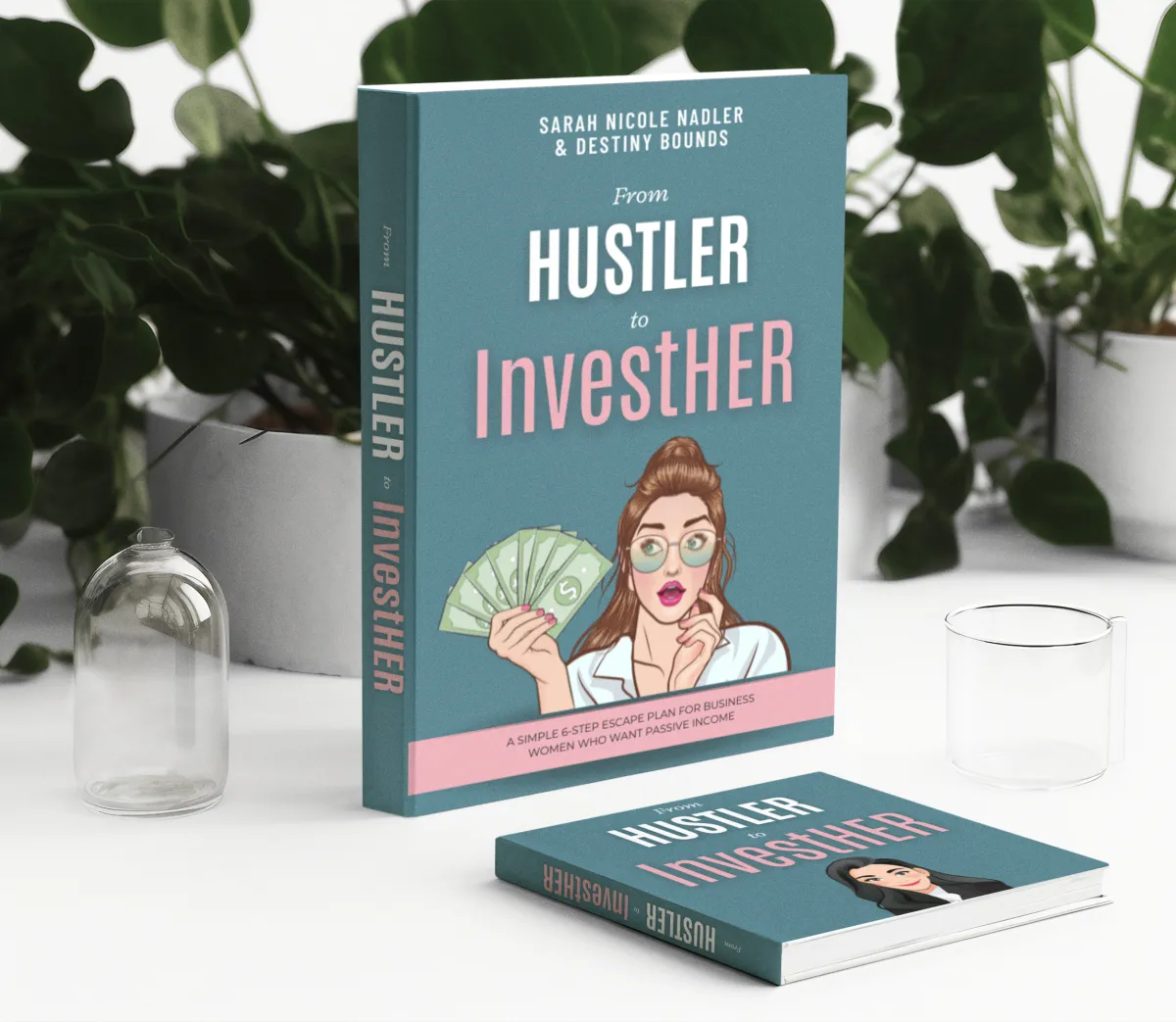
A Beginner-Friendly Class On Investing & Building Passive Income for Business Women and Entrepreneurs
Get my exclusive strategy for turning your intellectual property into passive income and growing it to 5-figures per month and beyond! FREE

Want to work with us?
The No-Fluff, No-Bro, No-Shame Wealth System for Well-Resourced Women Ready to Build, Manage, and Grow Their Own Million-Dollar Portfolio Without a Financial Advisor

COMPANY
CUSTOMER CARE
LEGAL
FOLLOW US


Copyright 2026. Sarah Nicole Nadler LLC. All Rights Reserved.